Fall Protection & Hazard Assessments in Chicago, IL
Fall protection assessments for Chicago's high-rises, older masonry buildings, and industrial roofs, where wind, ice, and decades of add-on equipment raise the stakes.
OSHA-Aligned Fall Protection Assessments for Chicago Rooftops
Picture a typical Chicago roof. Anchors installed for one window-cleaning contract, a guardrail added for another, a hatch nobody's opened since the last tenant moved out, and a parapet that's lower than anyone ever measured. Add lake wind, ice, and decades of freeze-thaw, and it gets hard to say with a straight face that everything up there is still doing its job.
That's what a fall protection assessment is for. Our team walks your roof, edges, skylights, and access points, evaluates the anchors, guardrails, lifelines, and ladders you already have, and measures all of it against OSHA and ANSI requirements. You get a clear report: what's compliant, what isn't, and what to fix first. You may hear it called a fall hazard assessment or a rooftop safety audit. Whatever the name, the goal is the same: find the problem while it's still a line item, not an incident.
We're based in Bloomington, Illinois, so Chicago is an in-state call for us. And if your assessment turns up anchors that need attention, our Chicago roof anchor inspections and rooftop anchor work across Illinois are the natural next step.
The OSHA Rules Behind Your Chicago Roof
- OSHA 1910.28, the duty to protect: If a worker could fall from an unprotected side, edge, or low-slope roof, fall protection is required. That includes the HVAC, roofing, and window-cleaning crews working on yours.
- OSHA 1910.29, what the system has to be: The technical rules for guardrails (top rail height of 42 inches, plus or minus 3) and personal fall arrest systems.
- OSHA 1910.30, training: Workers need to be trained to recognize fall hazards and use their equipment correctly.
- OSHA 1910.140, the gear: Harnesses, lanyards, and anchorage connectors have their own standard.
- OSHA 1910.27, suspended work: Anchors used for window cleaning and rope descent must be certified by a qualified person as able to support 5,000 pounds per attached worker, with annual inspections.
- 4 feet, the trigger height: In general industry, that's where fall protection requirements begin.
- Who enforces it in Illinois: Private-sector employers fall under federal OSHA. Illinois OSHA covers state and local government workplaces.
Fall Protection Services for Chicago Buildings: From Anchors to Guardrails
Every fall protection assessment identifies what your building needs next — whether that's new anchor points, proof your current system can hold load, or a closer look at davit-based access equipment. Here's how we help you close the gap.
Anchor Design & Installation
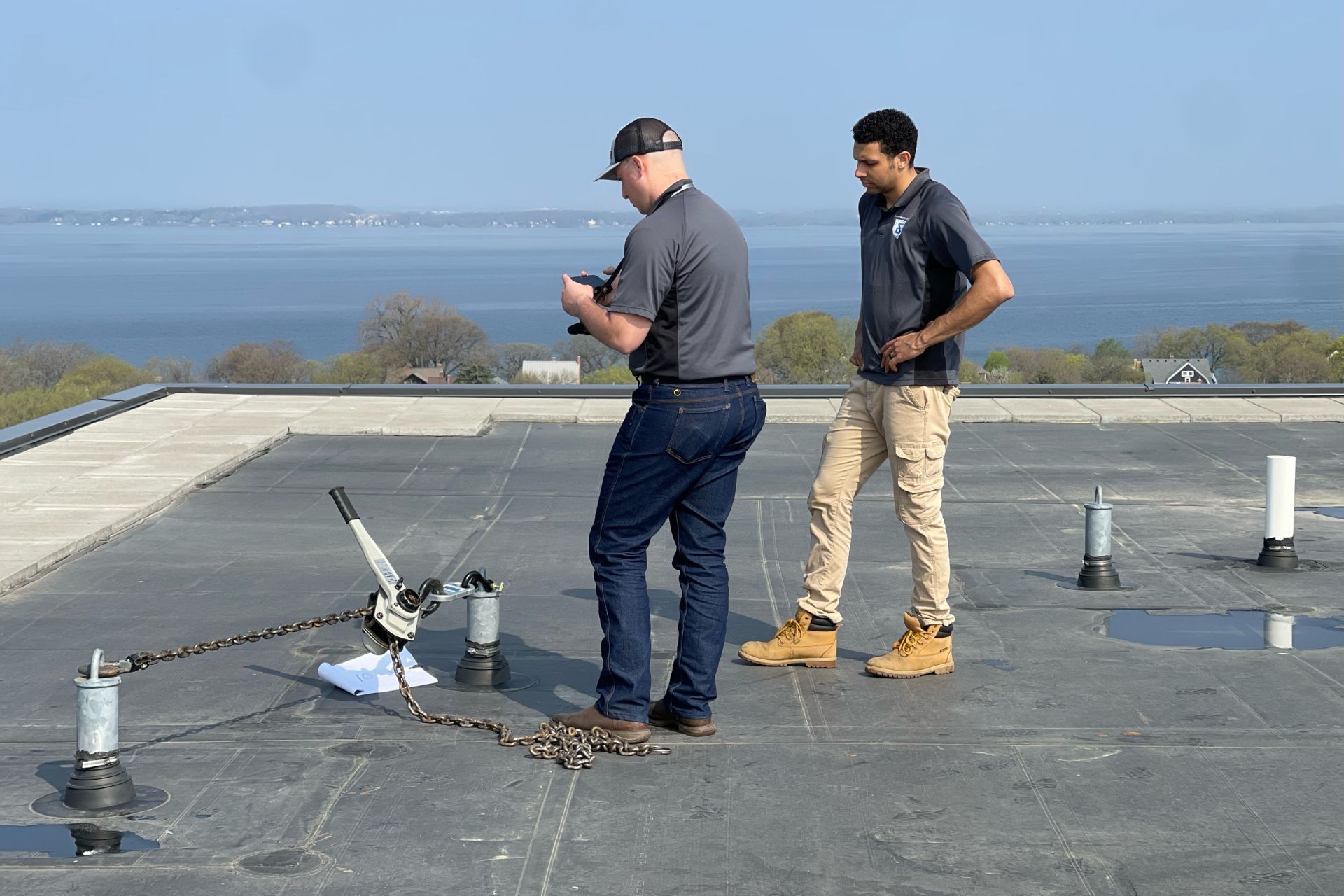
When an assessment finds missing or inadequate anchor points, we design and install systems built for your building's specific access needs — engineered to meet OSHA and ANSI standards from the ground up, not retrofitted after the fact.
Load Testing & Verification
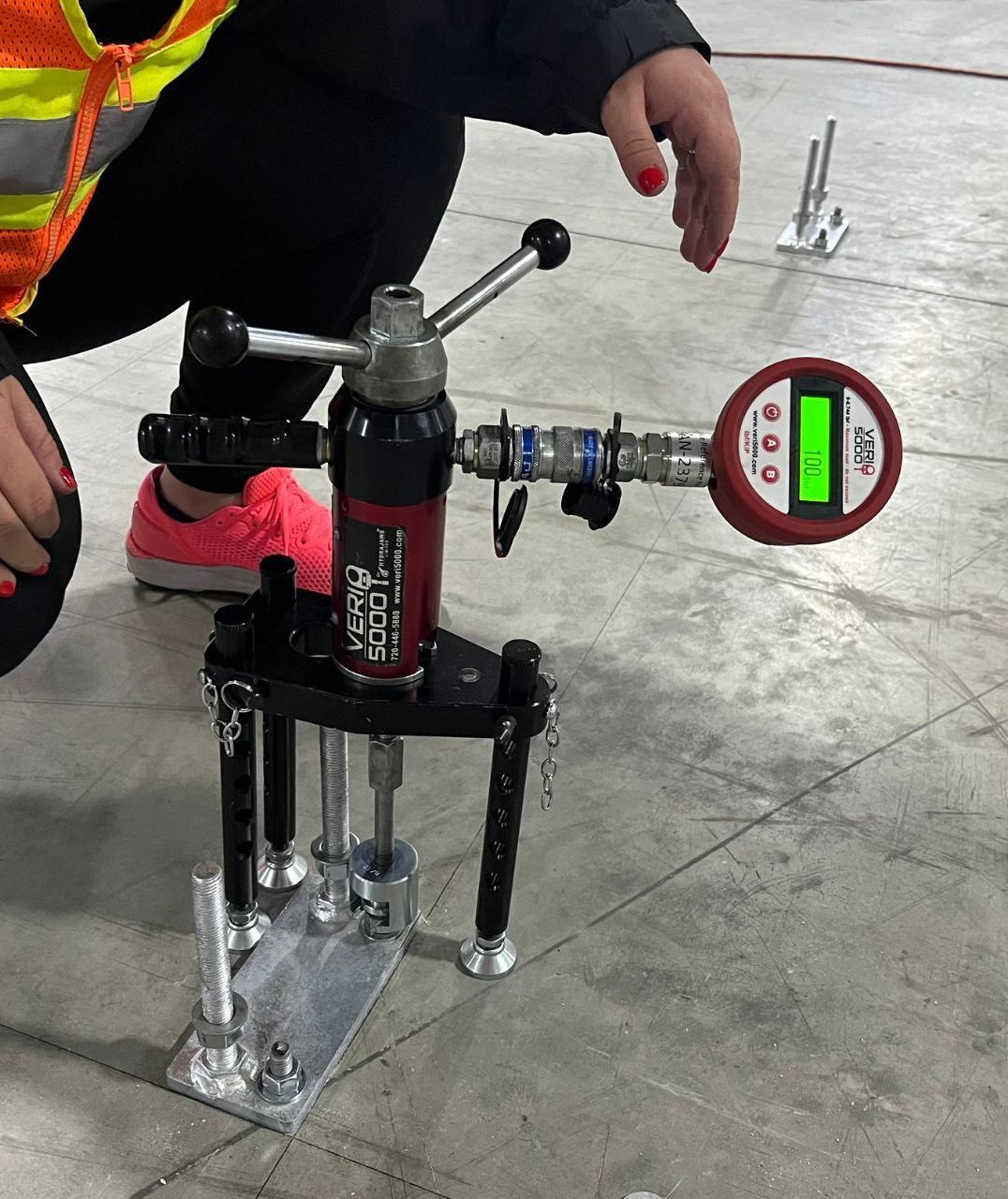
An anchor can look sound and still fail under load. We test your existing anchors to confirm they can actually withstand the forces they're rated for — catching hidden weaknesses your assessment flagged before they become a real-world failure.
Davit System Inspections
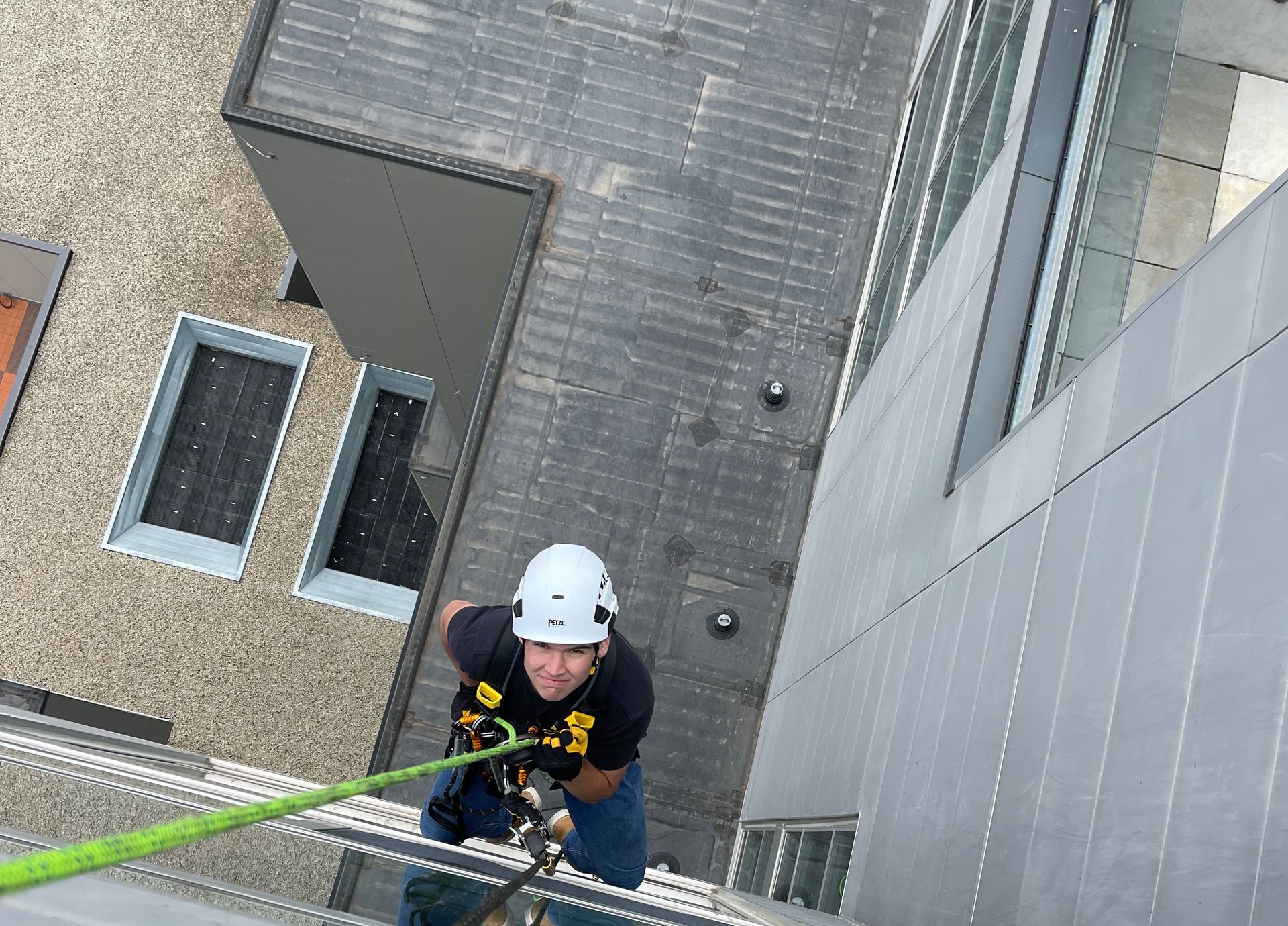
Davit-based access systems have their own inspection and certification requirements. If your assessment identifies davit equipment, we evaluate it against the same rigorous standard as your other fall protection systems.
Guardrail Systems
A permanent, passive barrier along roof edges, skylights, and unprotected sides — protection that's always active, with nothing for workers to clip into or forget to use.
Horizontal Lifeline Systems
A continuous anchor line that travels with workers across a roof or platform, so crews get full mobility for the job without ever stepping outside fall protection.
Fixed Ladder Vertical
Cable or rail-based systems built into fixed ladders and permanent access points, keeping workers protected on every climb up towers, hatches, and vertical runs.
Why Chicago Property Managers Choose Expert Summit Anchors
Chicago buildings see a lot of suspended work: window cleaning, facade inspections, sealant and masonry repairs. Every one of those drops depends on an anchor someone has to vouch for. Fall protection is what we do all day, so we know how the pieces fit together: the anchor, the guardrail, the lifeline, the paperwork, and the crew who has to use them.
Our thorough approach ensures that every aspect of your fall protection system is assessed with precision and care, from anchor inspections to rigorous testing and detailed compliance reporting. We don’t just help you meet safety standards—we help you exceed them.
Chicago Fall Protection Assessment FAQs
Ensuring your building’s anchor systems and fall protection setup are safe and compliant is essential for protecting workers and meeting regulatory requirements. Below are answers to the most common questions building owners, managers, and contractors ask about inspections, certifications, load testing, system design, and overall fall protection safety.
Serving Chicago, All of Illinois, and Buildings Nationwide
From our Bloomington office, we handle rooftop anchor inspections, certifications, load testing, and fall protection work across Illinois and around the country. Find your state below.