Fall Protection & Hazard Assessments
A certified, OSHA-aligned hazard assessment that identifies rooftop fall risks before they become compliance failures or worker injuries.
OSHA-Compliant Fall Protection Assessments
At Expert Summit Anchors, we understand that fall protection is not just a regulatory requirement—it's a fundamental aspect of safeguarding lives in the workplace. Our focus is entirely on delivering top-tier fall protection assessments that ensure every aspect of your safety system meets the highest standards. With a specialization in comprehensive fall protection anchor inspections, our expert team is dedicated to providing you with the peace of mind that comes from knowing your workforce is protected by a system that is both reliable and fully compliant with industry regulations.
When it comes to fall protection, there is no room for compromise. Whether you're responsible for the safety of rooftop anchors, temporary fall protection systems, or legacy equipment such as window cleaning buttons, Expert Summit Anchors is your trusted partner. We employ meticulous inspection and testing procedures to ensure that every element of your fall protection system is functioning at its best, reducing the risk of accidents and ensuring the safety of your employees.
Quick Facts: OSHA Fall Protection Standards
- OSHA 1910.28 — establishes the employer's duty to provide fall protection wherever a fall hazard exists, including unprotected sides, edges, and low-slope roofs.
- OSHA 1910.29 — sets the technical criteria fall protection systems must meet, from guardrail height and strength to personal fall arrest system requirements.
- OSHA 1910.30 — requires employers to train workers on recognizing fall hazards and correctly using fall protection equipment.
- OSHA 1910.140 — governs the personal fall protection equipment itself (harnesses, lanyards, anchorage connectors) used in your system.
- 4 feet — the walking-working surface height at which OSHA requires fall protection in general industry settings.
- Annual reassessment — best practice for keeping your fall protection system compliant as roof conditions, equipment, and usage change over time.
Our Fall Protection Services
Every fall protection assessment identifies what your building needs next — whether that's new anchor points, proof your current system can hold load, or a closer look at davit-based access equipment. Here's how we help you close the gap.
Anchor Design & Installation
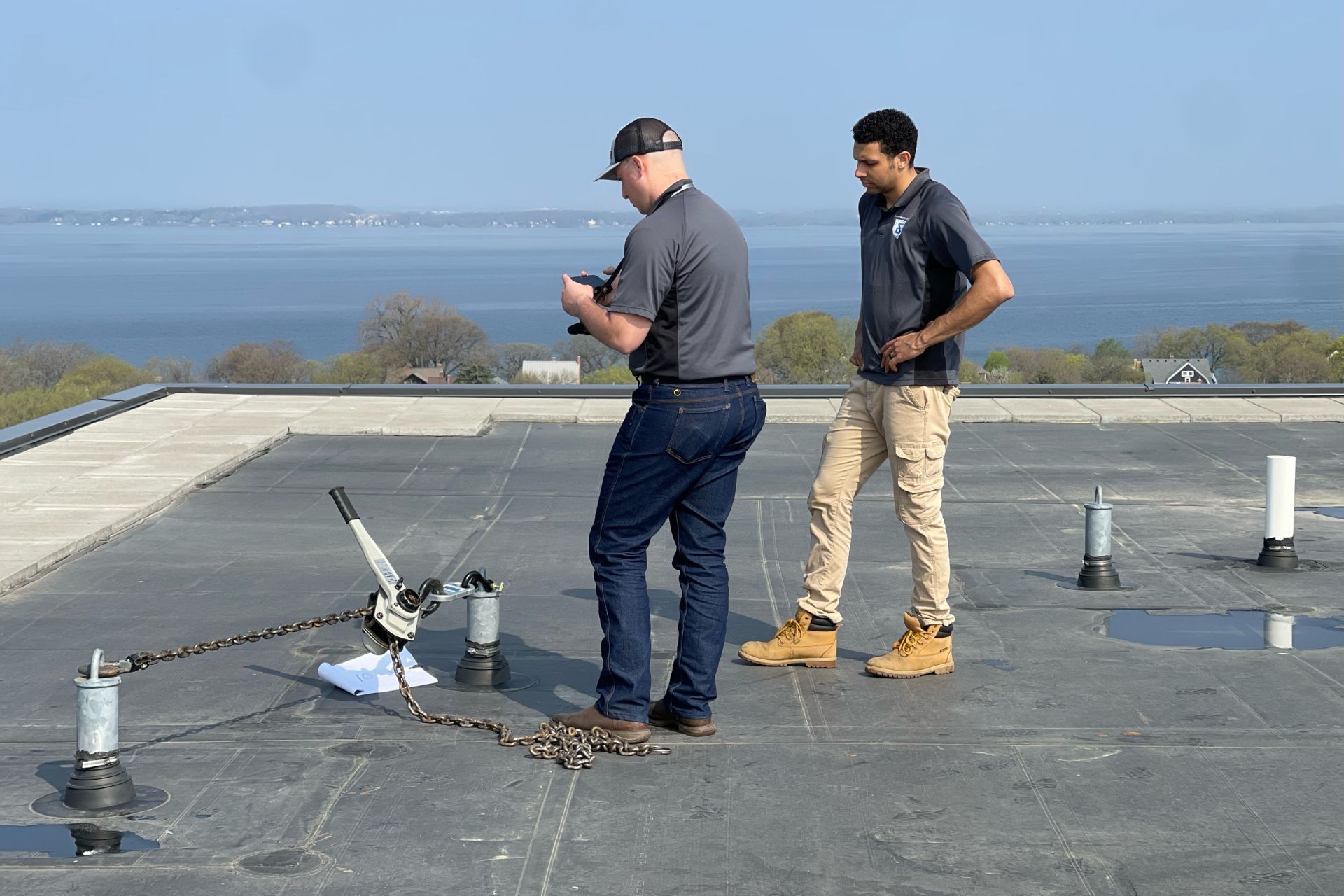
When an assessment finds missing or inadequate anchor points, we design and install systems built for your building's specific access needs — engineered to meet OSHA and ANSI standards from the ground up, not retrofitted after the fact.
- Custom-engineered — every anchor system is designed for your roof, not a generic template
- Code-compliant by design — built to current standards, not adjusted to meet them later
- Installed by the team that assessed you — no handoff, no gaps in accountability
Load Testing & Verification
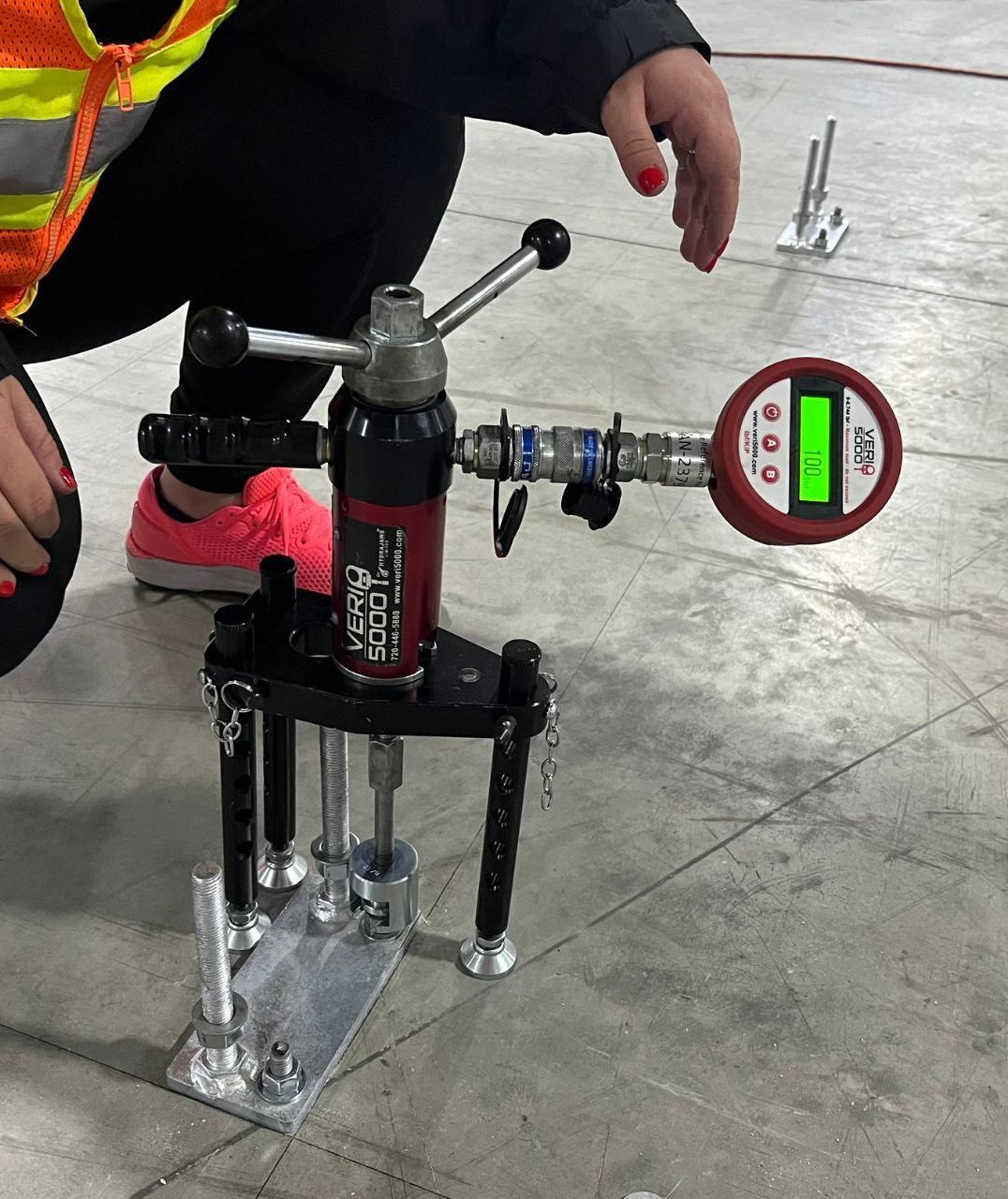
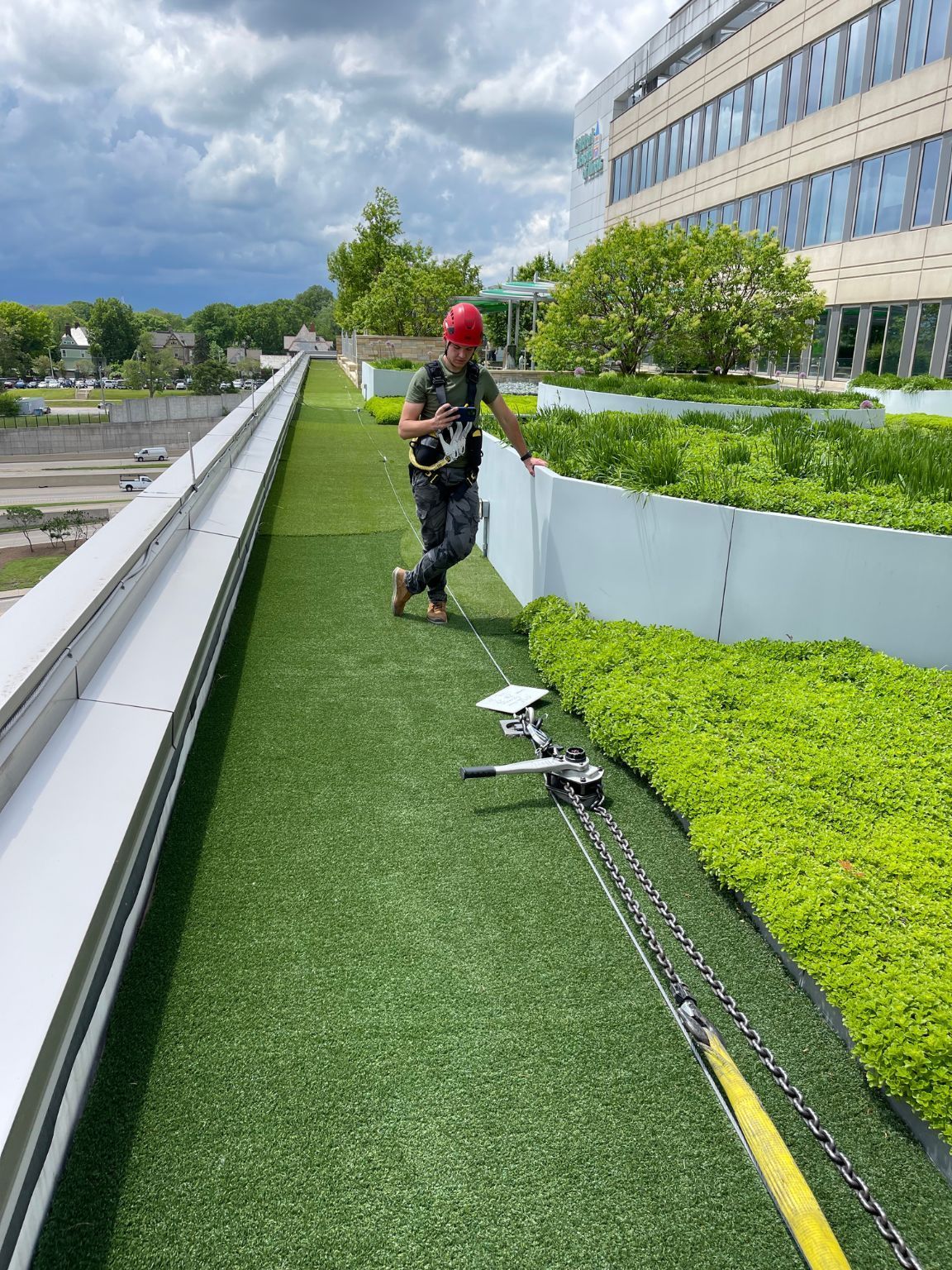
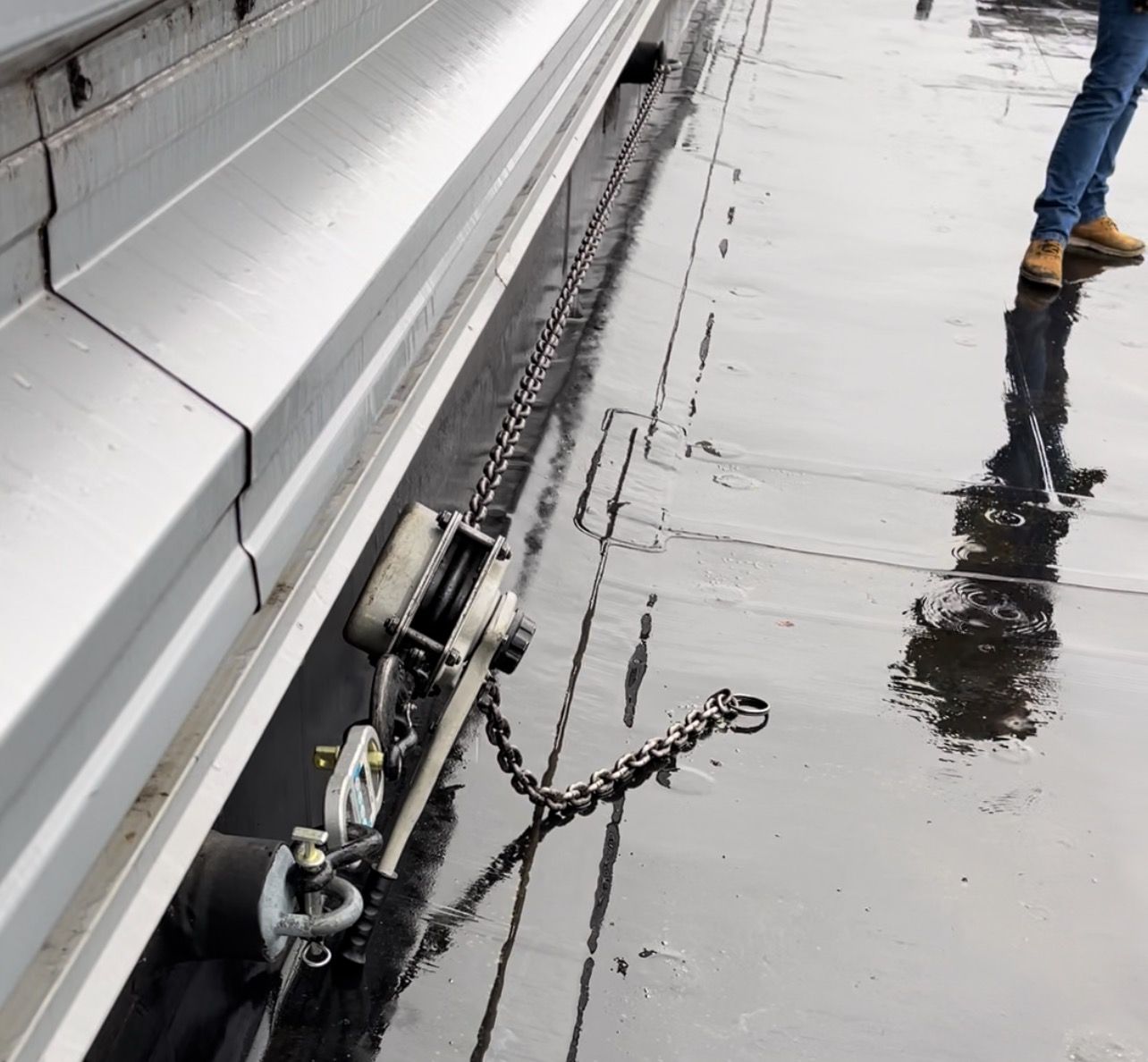
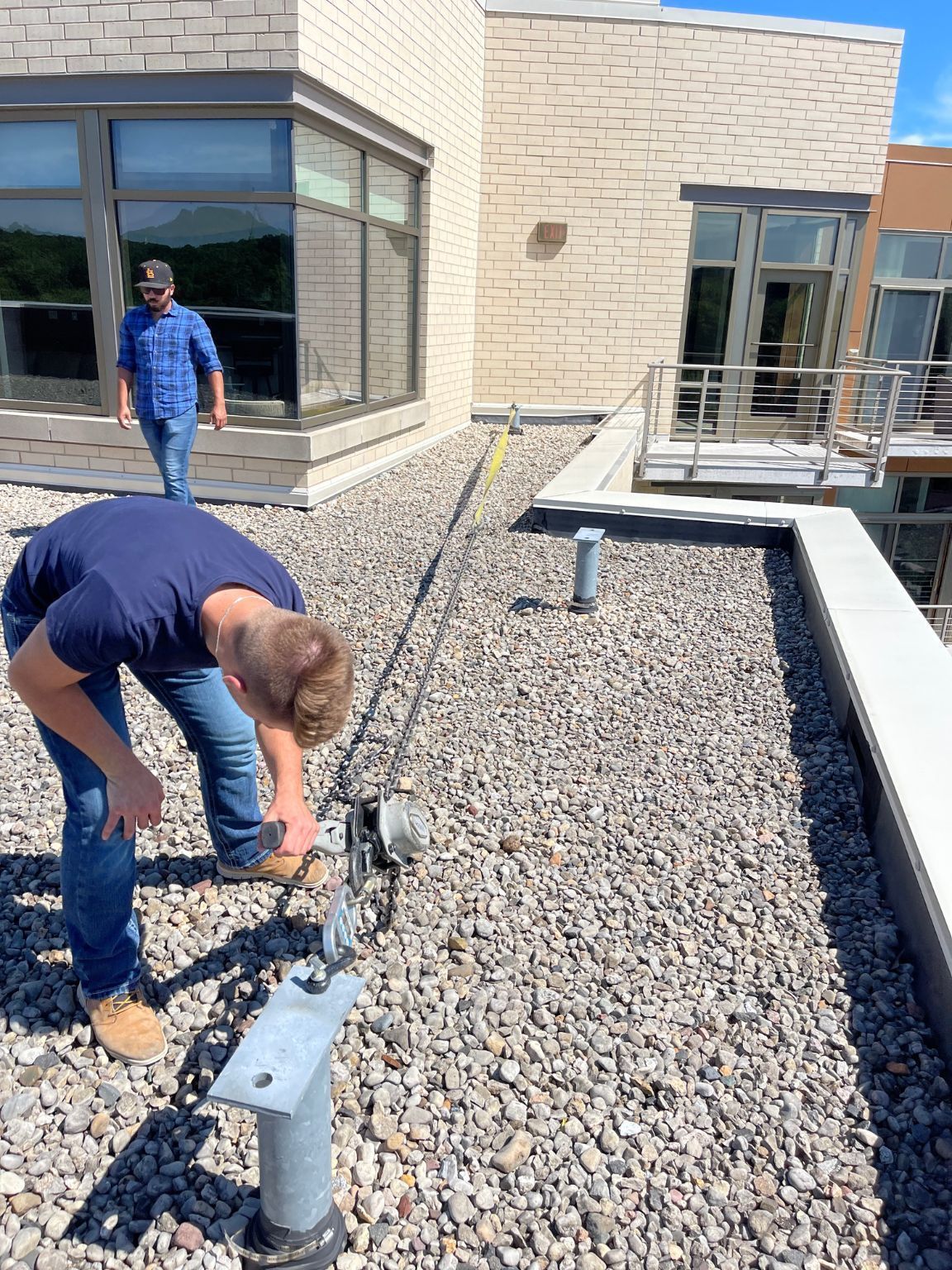
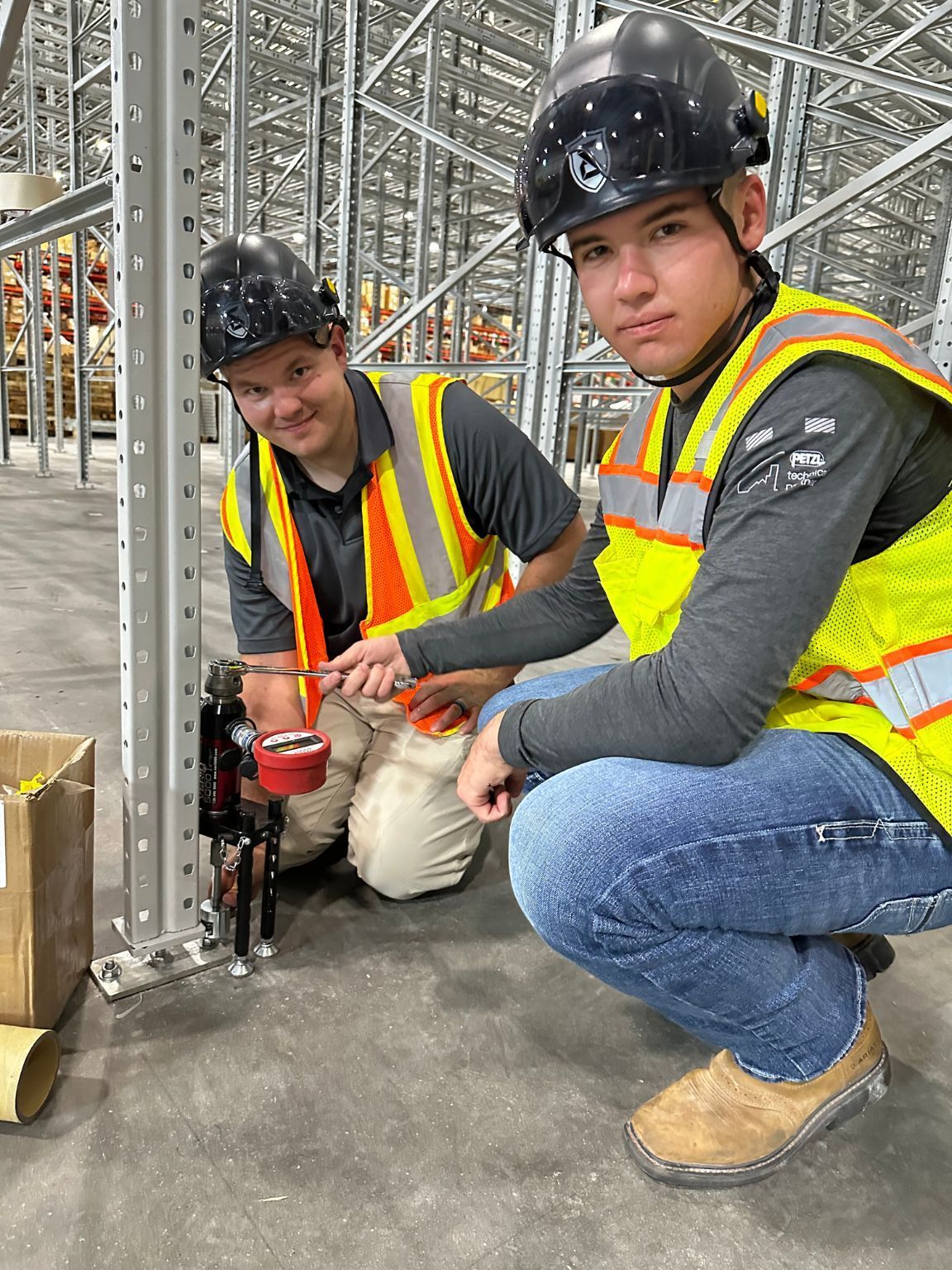
An anchor can look sound and still fail under load. We test your existing anchors to confirm they can actually withstand the forces they're rated for — catching hidden weaknesses your assessment flagged before they become a real-world failure.
- Real-world simulation — testing replicates actual fall-arrest conditions, not just a visual check
- Third-party verification — independent confirmation your system performs as documented
- Clear pass/fail reporting — no ambiguity about what needs attention
Davit System Inspection, Testing & Certification
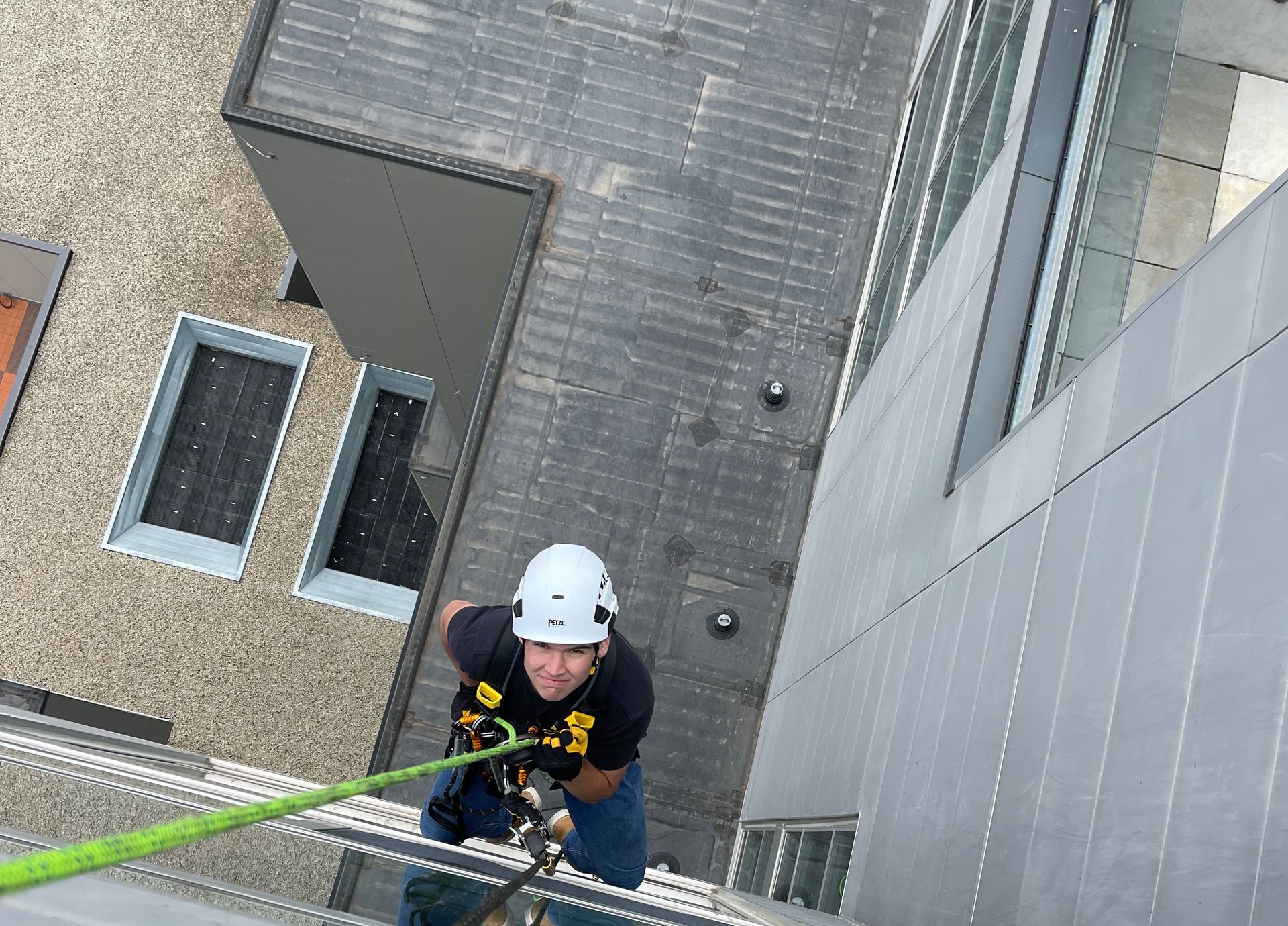
Davit-based access systems — common for window cleaning and facade maintenance — have their own inspection and certification requirements. If your assessment identifies davit equipment, we evaluate it against the same rigorous standard as your other fall protection systems.
- Specialized expertise — davit systems inspected by technicians who know this equipment specifically
- Full certification path — inspection, testing, and certification in one engagement
- Keeps your access crews compliant — critical for any contractor relying on your davits
Guardrails, Lifelines & Additional Fall Protection Assessments
Not every building's fall protection gap is anchor-related. When your assessment points to something beyond rooftop anchors, we scope, quote, and design the right system for the hazard — no guesswork, no one-size-fits-all fix.
Guardrail Systems
A permanent, passive barrier along roof edges, skylights, and unprotected sides — protection that's always active, with nothing for workers to clip into or forget to use.
- Passive protection — works around the clock with no equipment for workers to wear or attach
- OSHA-compliant by design — built to meet guardrail height and strength requirements out of the box
- Ideal for high-traffic areas
— ladder access, roof edges, and skylights where workers pass through often
Horizontal Lifeline Systems
A continuous anchor line that travels with workers across a roof or platform, so crews get full mobility for the job without ever stepping outside fall protection.
- Full range of motion — workers move freely along the line instead of anchoring point-to-point
- Built for the path of travel — engineered around how your crew actually moves across the space
- Keeps teams protected and productive
— no trade-off between safety and getting the job done
Fixed Ladder Vertical
Cable or rail-based systems built into fixed ladders and permanent access points, keeping workers protected on every climb up towers, hatches, and vertical runs.
- Purpose-built for vertical access — designed specifically for ladders, towers, and fixed climbing routes
- Cable or rail options — matched to your structure and how often it's accessed
- Protects every ascent and descent — the moments when a fall is most likely to happen
Every recommendation comes out of the same assessment process — we look at how your building is actually used, then tell you what protects your workforce and what keeps you compliant.
Why choose Expert Summit Anchors for Fall Protection Assessments?
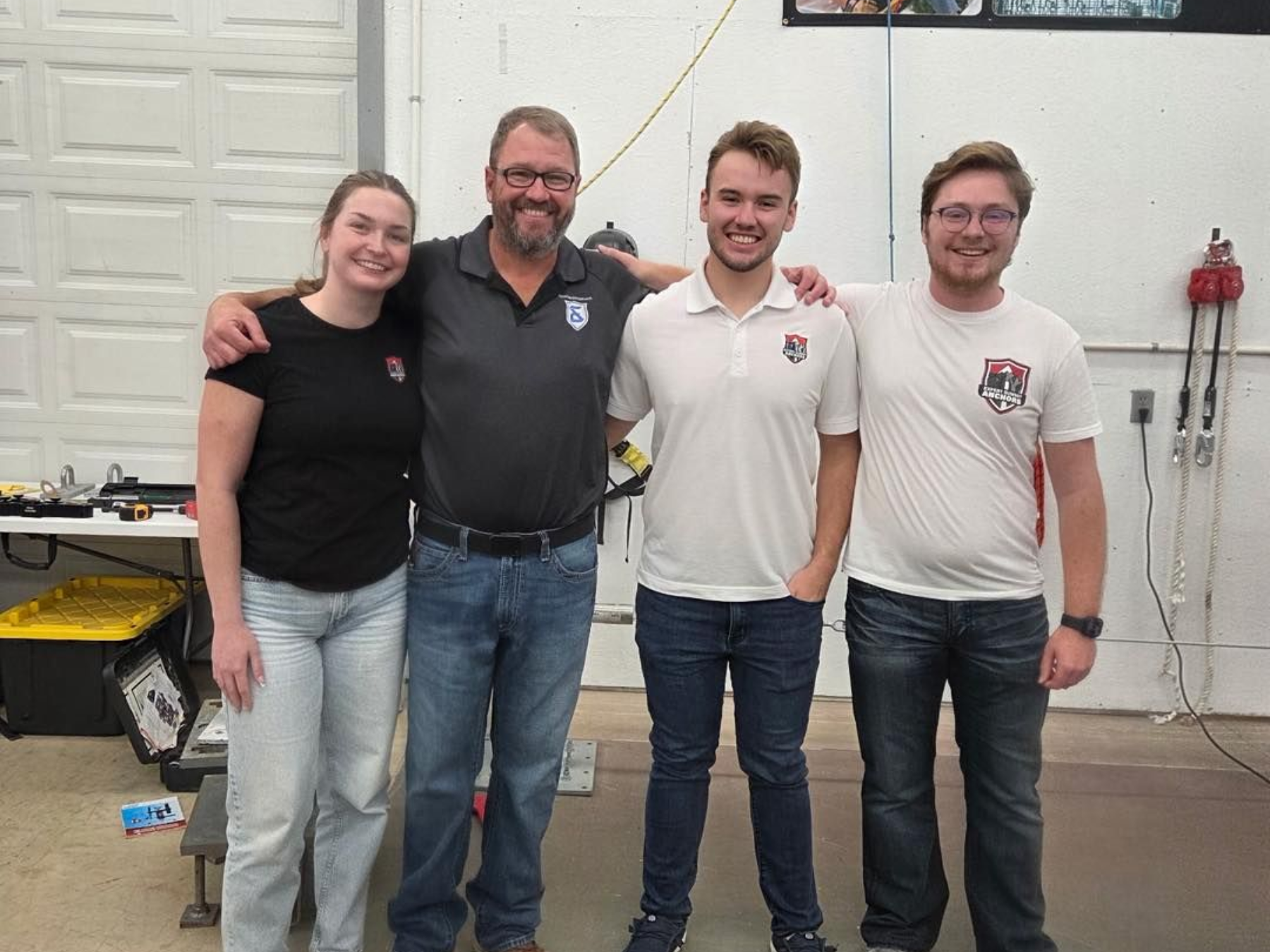
At Expert Summit Anchors, we recognize that fall protection is a critical element of workplace safety. Our singular focus on providing comprehensive fall protection assessments sets us apart as leaders in the industry. We understand the unique challenges you face in maintaining a safe work environment, and our team is committed to helping you meet these challenges with the highest level of expertise and service.
Our thorough approach ensures that every aspect of your fall protection system is assessed with precision and care, from anchor inspections to rigorous testing and detailed compliance reporting. We don’t just help you meet safety standards—we help you exceed them.
Fall Protection Assessments Wherever Your Roof Is
Fall risks don't stop at a city limit, and neither do we. Expert Summit Anchors is based in Bloomington, Illinois, and our team travels to assess rooftops for building owners, property managers, and contractors across the country. Pick your city below for details specific to your market, or find your state further down.
Common Questions About Fall Protection Assessments
Ensuring your building’s anchor systems and fall protection setup are safe and compliant is essential for protecting workers and meeting regulatory requirements. Below are answers to the most common questions building owners, managers, and contractors ask about inspections, certifications, load testing, system design, and overall fall protection safety.